


Our approach
We help you decide what to build. Then we build it.
Fifteen years designing and building software for hospitals, universities, retailers and development banks. Every project starts with the same question: what actually needs to exist for this to pay off?
How we can work together
How a project gets delivered is the first decision. Four shapes; which one fits depends on how defined the scope is and how long the product has to live.

AI Pods
Small teams working alongside AI agents, billed on delivered outcomes rather than hours. Each one has a single person accountable for everything that ships.
Best when the scope is clear and the date is not negotiable.

Dedicated team
A standalone team that owns a product end to end, with its own lead, reporting to you.
Best when the product will live for years and needs a team that stays with it.

Staff augmentation
Senior people who join your team, your rituals and your repo, working your way and your hours.
Best when you have the direction and need depth in a specific area.

End-to-end delivery
A defined scope, delivered in releases, with a fixed price and milestones you can verify.
Best when you want the whole thing priced up front and delivered as one project.
What we’d look at first
Before anyone estimates anything, three questions. They’re the same ones we’d bring to a working session with you.
What's actually worth building
Not everything on the roadmap deserves to exist. We start by finding the two or three things that would move the business if they shipped this quarter.
What's already there
The systems you run today, what they can and can't do, and what it would really cost to touch them. Sometimes the answer is a fix, not a rebuild.
What it would take
A first estimate of scope, team and time. With what we'd leave out, and why.
AI does the volume. People make the calls.
That's one of four things that stay the same whether you bring in a full team, add a few people to yours, or hand us a project end to end.
We understand before we estimate
Discovery and prototyping come first. That's where we find out what's worth building and, often, what isn't.
For mEMR, a physician-founded startup, we tested the product with doctors and patients before a line of code was written, and changed the plan because of what we heard. Read the case
A small team, with a lead who answers by name
Each workstream is led by a senior developer who defines how it gets built, reviews every piece, and signs it into your repository. When you ask why something was done a certain way, there is a person to ask.
At the Inter-American Development Bank, Smart Portfolio was handed to an internal team that still runs and evolves it today. Work only transfers that way when the decisions behind it are legible to someone who wasn’t there. Read the case
The agents never touch your production data.
We use AI agents for the high-volume work: components from your design system, patterns repeated across similar features, tests written from acceptance criteria. Every output is reviewed by the lead before it moves on.
No case behind this one yet. It is a commitment rather than a track record, and it is written to be specific enough to hold us to: ask which decisions are reserved for a person, and ask where the agents are allowed to run.
Integrations first. Security from the first commit.
When your product depends on systems that are already running, we start with what only reads from them; writes come once we've worked against your real APIs for weeks. Static analysis, dependency scanning and secret detection run on every push, so a critical finding stops a release before it reaches you.
At Keystone, the contract automation reads on a schedule from the document system the team already used, without disrupting how contracts got filed. On a Stanford Medicine-led research team, HIPAA was treated as a design constraint rather than a technical afterthought, so it shaped data handling, storage, user flows and access controls. Read the Keystone case
What it looks like when it works
- 35%
- better treatment adherence
- EmpowerHealth, patient engagement platform. HIPAA-compliant, eleven years in production, 80,000+ patients managed. Also: 20% fewer avoidable ER visits.
- 4x
- lower recruitment cost
- Stanford Medicine research apps: app downloads cost four times less through social networks than through conventional ABS outreach. Recruitment tripled and participation doubled against the same comparison.
- 33%
- more conversions
- KURU Footwear, after we fixed checkout first, and recommended a smaller contract than the one they were ready to sign.
Three clients, and what we built with them
See all projectsEmpowerHealth uses Onetree as the engineering team behind its patient engagement platform.
- Product Design
- Product Development
- iOS and Android
HIPAA-compliant since the first release.

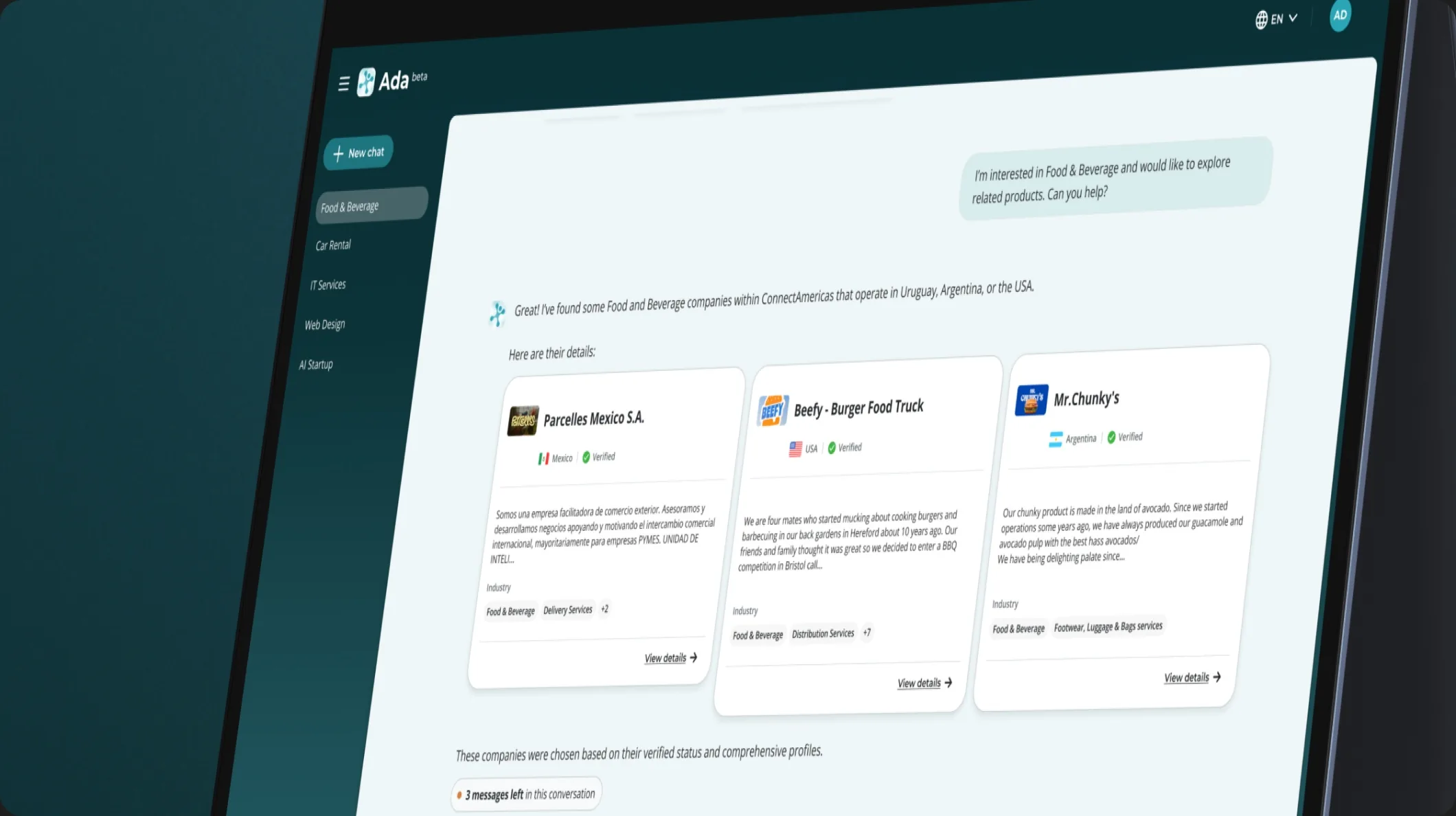
ConnectAmericas, the IDB’s business network, built ADA with Onetree: an AI matchmaking platform for its members.
- Product Design
- Product Development
- Azure OpenAI
Hundreds of thousands of companies across Latin America and the Caribbean, matched by intent instead of keywords.
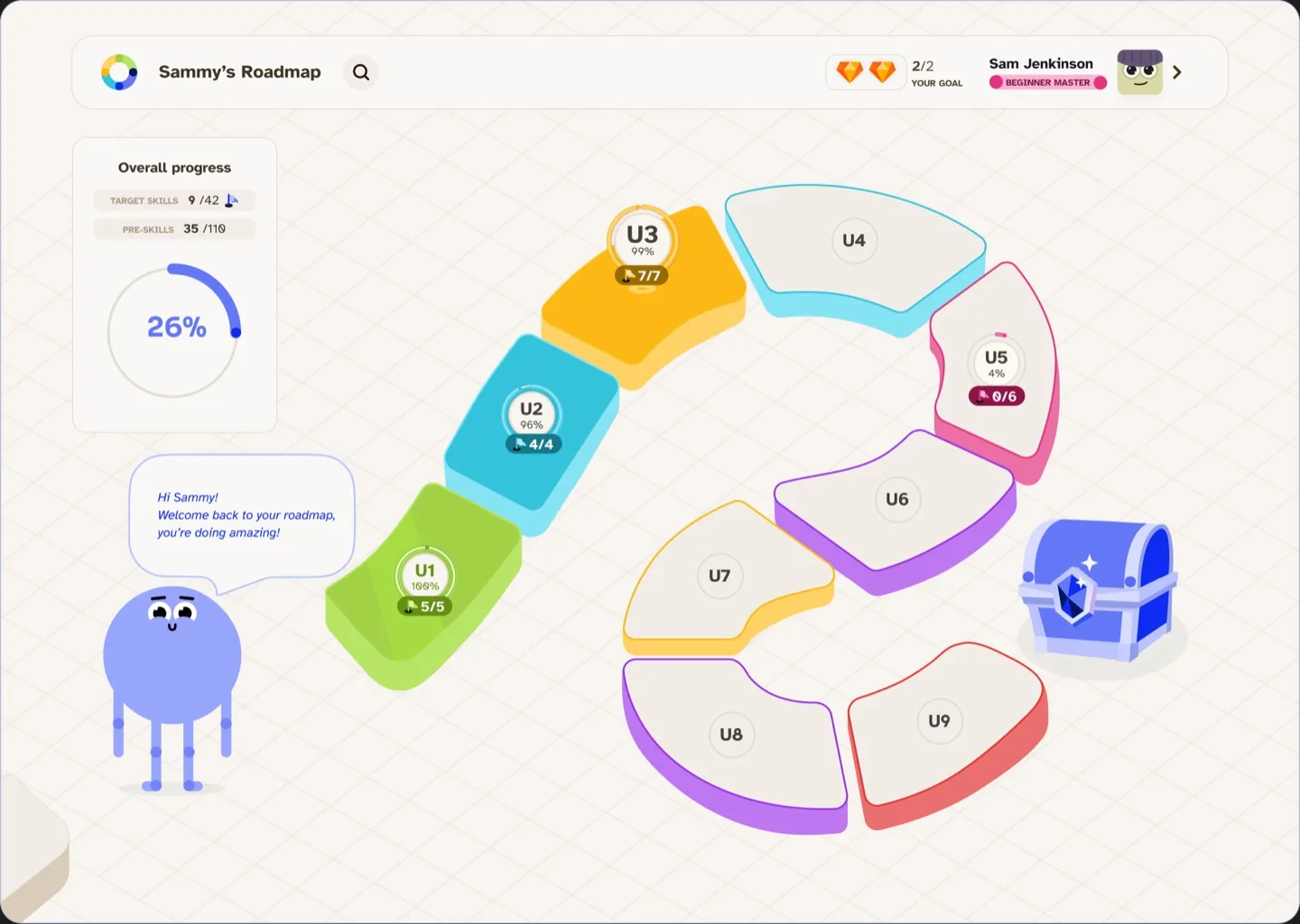
New Classrooms redesigned Teach to One Roadmap with Onetree, so students and teachers can see what to work on next.
- Product Design
- UX Strategy
- Brand Definition
A layered navigation model, Roadmap to Unit to Skill, that makes progress and next steps legible without adding cognitive load.
What working with us is like,
according to clients
“Onetree takes accountability and ownership of their role.”
Brett Rasmussen
CEO, KURU Footwear
“They put so much time and effort into understanding our culture and mission.”
Priya Mehta
CEO, mEMR
“Whenever we had any urgent matter, we knew we could count on them.”
Emmanuel Romero
Head of Engineering
Built for regulated environments
Most of our work handles patient, student or financial data. Security isn’t a phase at the end; it’s how the pipeline is set up on day one.
- HIPAA
- GDPR
- ISO/IEC 27001:2022 certified by UNIT · dedicated CISO
- WCAG AA audits
- Security gates on every push
Questions we get asked
How does Onetree start a project?
Onetree works with a client’s team, and with the people who will use the product, to decide what gets built before estimating it. Discovery and prototyping come first, each workstream has a named lead who reviews and signs every piece, and products that run against existing systems are sequenced so that the integrations that only read come before the ones that write. Onetree works across healthcare, education, financial services and consumer products, mostly in regulated environments.How do you work with our in-house team?
Inside it. Your tools, your repositories, your ceremonies. Our lead is your single point of contact, and the code is yours from the first commit.Where is the team based?
Across Latin America, working the same hours as your team.How do you use AI in delivery?
For high-volume, repetitive work, never on your production data, and always reviewed by the lead before it moves on. Technical authorship stays with people.What happens in the first month?
Discovery, a prototype or a technical spike depending on the project, and a release map you can hold us to. You will know what is coming and in what order before we build anything.